If you’ve ever been texting, scrolling social media, or chatting online and suddenly saw “WTH”, you probably paused and thought, “Wait… what does that mean?” You’re not alone. The term wth meaning in text is searched thousands of times because it shows up everywhere—WhatsApp chats, Instagram comments, TikTok replies, and even casual work messages.
People use WTH to react quickly to surprising, confusing, or shocking situations. It’s short, expressive, and fits perfectly into fast digital conversations.
But depending on context, it can sound funny, annoyed, or even rude. That’s why understanding its meaning and usage matters.
In this guide, we’ll break down exactly what WTH means, where it came from, how people actually use it today, and how you should respond when someone sends it to you.
What Does WTH Mean in Text & Chat?
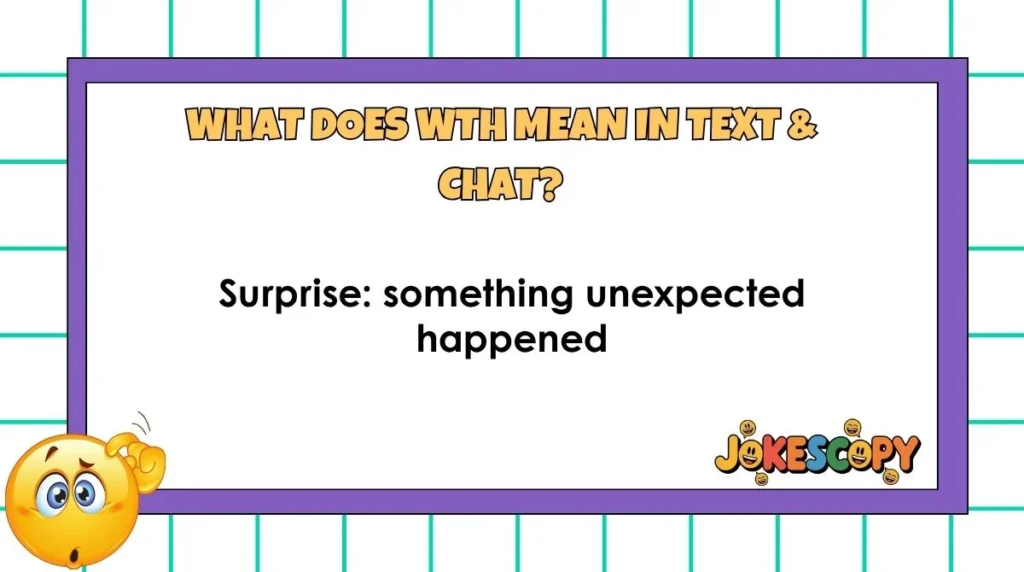
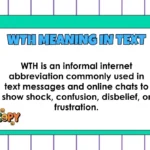
WTH is an informal internet abbreviation commonly used in text messages and online chats to show shock, confusion, disbelief, or frustration.
At its core, it’s a reaction phrase. People type WTH when something doesn’t make sense or feels unexpected. It often replaces a longer emotional response and keeps the conversation fast.
Here’s what it usually expresses:
- Surprise: something unexpected happened
- Confusion: you don’t understand what’s going on
- Mild anger or annoyance
- Disbelief or sarcasm
The tone depends entirely on the situation. Sometimes it’s playful, sometimes serious.
Quick examples:
- WTH just happened? 😳
- Bro… WTH is this update?
- WTH are you talking about?
In casual chats, it’s usually harmless. In formal or professional conversations, though, it can sound inappropriate.
Full Form, Stands For & Short Meaning of WTH
The full form of WTH is:
What The Hell
However, many people also interpret it more softly as:
- What the heck
- What the heck is this?
That softer interpretation is often used to avoid sounding offensive.
Short meaning of WTH in text:
- “I’m confused”
- “This is surprising”
- “This makes no sense”
- “I can’t believe this”
Because it shortens an emotional reaction into just three letters, WTH became popular in texting culture where speed matters.
Origin, History & First Known Use of WTH
The phrase “what the hell” has existed in spoken English for centuries. The abbreviated form WTH emerged much later with the rise of:
- Online chat rooms
- SMS texting (character limits mattered)
- Internet forums
- Early social media platforms
In the late 1990s and early 2000s, users began shortening emotional phrases into acronyms. WTH quickly gained traction because it expressed strong emotion without typing a full sentence.
Over time, it spread from forums and emails to:
- Text messages
- Gaming chats
- Social media comments
- Meme culture
Today, it’s considered standard internet slang rather than a niche abbreviation.
How People Use WTH in Daily Conversations
People don’t usually plan to type WTH—it’s a spontaneous reaction.
Common everyday uses include:
- Reacting to unexpected news
- Responding to confusing messages
- Commenting on strange behavior
- Expressing disbelief humorously
Real-life style uses:
- WTH you changed the plan again?
- WTH is wrong with my phone today?
- WTH 😂 this made my day
It’s most common among friends, peers, and online communities. Using it with elders, bosses, or formal contacts is generally avoided.
WTH Meaning Across WhatsApp, Instagram, TikTok & Snapchat
While the meaning stays the same, the tone changes by platform:
- Often casual or emotional
- Can sound annoyed or playful
- Used in private chats
- Reaction to posts or stories
- Often sarcastic or humorous
- Common in comments
TikTok
- Used in replies to shocking videos
- Usually exaggerated or funny
- Meme-driven usage
Snapchat
- Quick reactions to snaps
- Usually light-hearted
- Often paired with emojis 😭😳
Context + emojis decide whether WTH sounds angry or funny.
Different Meanings of WTH in Other Fields
Outside texting, WTH can also mean:
- World Tourism Holdings (business context)
- Warehouse Transfer Hub (logistics)
- With The Help (rare and informal)
However, in texting and social media, over 95% of the time it means “What The Hell.”
Common Confusions, Mistakes & Wrong Interpretations
Many people misunderstand WTH as:
- Extremely offensive (it’s usually mild)
- Always angry (not true)
- Professional language (definitely not)
Common mistakes:
- Using it in work emails
- Sending it to people who dislike slang
- Assuming it’s always rude
Tone matters. Adding emojis can soften it a lot.
Similar Terms, Alternatives & Related Slang
If you want alternatives to WTH, here are common ones:
- WT?* – stronger reaction
- OMG – surprise
- WTF – more intense (use carefully)
- Bruh – disbelief
- Huh? – confusion
👉 Internal linking tip: You can link this article to pages like:
- “OMG meaning in text”
- “WTF vs WTH difference”
- “Common chat abbreviations list”
Examples of WTH in Real Chat Situations
- WTH 😳 how did this happen?
- WTH is this bug doing here?
- WTH 😂 I wasn’t expecting that
- Wait… WTH?
Short. Emotional. Straight to the point.
How to Reply When Someone Says WTH
Your reply depends on their tone:
If confused:
- I know, it’s confusing 😅
- Let me explain
If joking:
- Haha right? 😂
- I thought the same
If annoyed:
- Yeah, that was unexpected
- Sorry about that
Matching tone keeps conversations smooth.
Is WTH Still Popular? Trends & Online Usage
Yes, WTH is still widely used in 2024 and beyond. While newer slang appears often, WTH remains relevant because it’s:
- Short
- Easy to understand
- Emotionally expressive
It may not trend like viral slang, but it’s stable and evergreen in online communication.
FAQs
1. Is WTH rude in texting?
Not usually. It’s mild but can sound rude in formal settings.
2. Can WTH mean something positive?
Yes, when used humorously or with emojis.
3. Is WTH the same as WTF?
No. WTF is stronger and more offensive.
4. Can I use WTH at work?
Best avoided in professional messages.
5. Do younger people still use WTH?
Yes, though often mixed with newer slang.
Conclusion
Understanding the wth meaning in text helps you avoid confusion and communicate more naturally online.
At its heart, WTH is just a quick emotional reaction—surprise, confusion, or disbelief wrapped into three letters. It’s informal, expressive, and deeply rooted in internet culture.
Used with friends, it feels natural. Used in the wrong setting, it can feel awkward. Context is everything. Once you know when and how to use it, WTH becomes just another useful tool in your digital vocabulary.
Now the next time you see it pop up in a chat, you won’t be confused—you’ll know exactly what’s going on 😉